In this blog, I wanted to outline some simple training guidelines which can help you and your dog or puppy advance forward. Here are what I feel are some good things to be aware of, and follow.
You should always keep training as fun as you can with your puppy or your adult dog. If you keep it too ‘drill sergeant’ like, especially with a puppy, you can start to decrease drive and willingness. If you put too much pressure on a younger dog, they may not want to learn at all. Keep your sessions short, maybe only 10 minutes. That 10 minutes may consist of 1 minute of training, then 2 minutes of fun, 1 minute of training, then 4 minutes of fun, etc… Keep it simple, and put them away when they’re ‘into it’, soon you will notice them wanting to engage with you more.
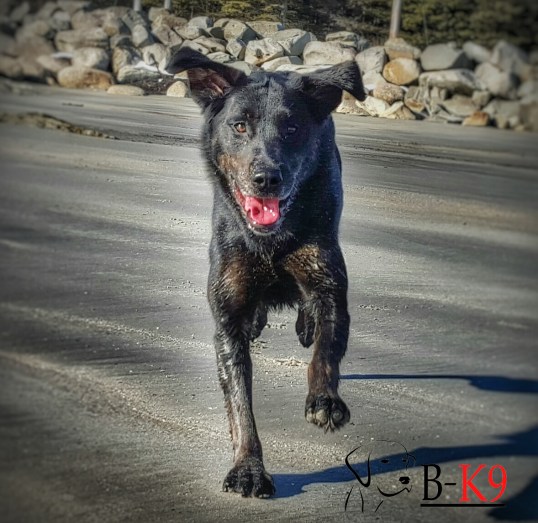
Some people can become frustrated with training, or even say to themselves: “I know s/he knows it, but they’re just blowing me off.” This may not entirely be the case, especially if you haven’t put in the time to do the reps. Realize, the reason you feel this way is not your dog’s fault. Your 12 week old puppy or 2 year old dog didn’t wake up wondering how s/he is going to ruin your day. Maybe you put a lot of pressure on yourself or on your dog. Perhaps you started the training session already in a not so positive mood (that may have nothing to do with your dog or training). In those moments, do not train at all or just have fun. Bottom line: don’t take it out on your dog.
Always make sure every command you give, you can reinforce. If you have no way of reinforcing the command, don’t give it until you can set you and your dog up for success! If you ask your dog to sit from a distance, and you have no check cord/long line (15’-30’ leash), or leash (4’, 6’ or 8’ leash), and s/he doesn’t sit, you are then reinforcing to your dog your lack of control, especially when you start to repeat yourself. This is the gateway to developing many un-desired behaviors. Always be prepared.

Be consistent with your training, happy, up-beat and fun. Stay calm but direct in what you are asking. Make sure they understand. See your goals and what you would like to achieve in each training session, before you begin and break it down into small steps they can understand. : )
Ensure you show your dog what’s expected and how to get reward before you start to verbally give a command, or even name your command. Action first, then name it! If you give a command for the first time, and they do not know what it means, they may not do anything and continue along their way (because it has no meaning) or you may confuse them. Show them. Sometimes you have to do many reps before your dog understands the command or breaking it down into a smaller picture for them. This doesn’t mean they’re slow, it just means you have to take more time until they understand the whole picture.
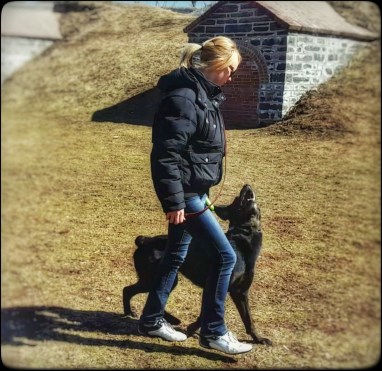
Once your dog completely understands the behavior, you name it and they do it, only then can correction (corrections are varying degrees- most people associate it with something bad, but it’s simply something the dog doesn’t desire to change behavior.) be justified. If you haven’t taken the time to teach, you need to go back to reps – not correct!
Be fair, and be happy! Have fun!
TO READ ABOUT OUR TRAINING PROGRAMS, CLICK HERE!
LIKE US ON FACEBOOK, CLICK HERE!
 BK9
BK9 