There is a lot of information out there on the internet about puppy training, and how to get started. I felt it was important to have a brief overview of what can be expected. This will be helpful to you if you have recently brought a puppy into your home, or are considering adding a furry new family member.
When you get a dog or a puppy, you become a trainer to a varying degree by default. Everything you do with them is vitally important from the very first day you bring your dog home, whether they are 7 weeks or 4 years. Puppies and adult dogs may get into anything and EVERYTHING, from the garbage, to kids toys, to underwear, etc… Take advantage of every moment as a preventative to bad habits and to teach acceptable and unacceptable behaviors.
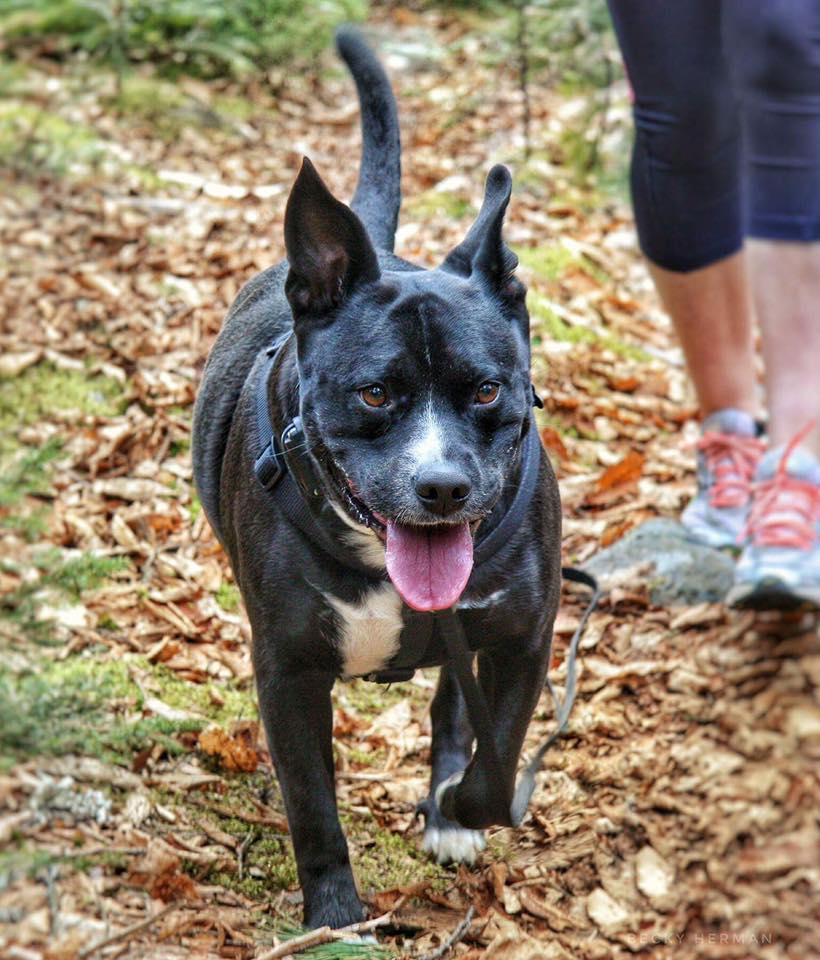
Socializing is a huge deal, especially with puppies! You want your pup to be as comfortable as possible, especially with people. Get them out in positive environments from hardware stores, vet clinics, pet stores, banks, children’s playgrounds, etc… Many people will be in awe over your puppy and want to have a connection and pet them. These are all great opportunities to form positive associations for your puppy. You can also change it up and get your puppy to do something for you first, before allowing them to greet. Being able to read your dog’s body language when approaching strangers is important at this stage, because everything you do, sticks!
Every time you have your pup out of his/her crate, you are shaping him/her. It’s important to lay a good, solid foundation of obedience, do’s and don’ts and truly take advantage of both leash and food training in combination with one another – not just a free meals You can get them working for it, and they will LOVE it! You are in the process of setting your dog up for success! You are creating the dog you want!
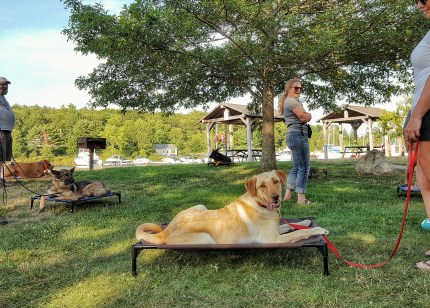
You should also have your puppy use to having their muzzle handled, eyes looked at, ears checked and toes touched. Start this handling as soon as possible and keep it going. This is important for many reasons including check overs at the veterinarian clinic as well as maintenance such as clipping nails and grooming. If you have a dog that requires a groomer on a regular basis, you really should do everything you can to help your dog and and expose them to the sounds of clippers, feelings of different combs, brushes, blow dryers, getting them used to sitting in the tub, etc… Your puppy should be also comfortable when you pick them up. if they aren’t comfortable, this is something you should really work on a few times per day for at least for 4 weeks while they are still young, longer if necessary.
Whether you have a pet dog, shaping a trial dog, a working dog, therapy dog, hunting dog, the foundation is all very similar. You should set your goals early and continue to work towards them every day and accomplishing something new. Generally, most of these dogs are still going to be family dogs at the end of the day – especially in NS. How you interact with your pup, and what you allow and don’t allow is going to have a lasting impression.
A few tips to get you started:
A great way to start showing your dog or puppy what is desired would be to have a leash attached to the collar around the home so you can prevent bad behaviors from happening. You can transition to a tab (a short leash with a knot on the end or a loop handle) once you start to gain a little more control over time. Use this to guide them to where you want them hanging out, guidance or apply a correction when in the moment of the mis-behavior, never after.
Every time you have your dog or puppy out of their crate, ensure that you can monitor him/her 100%. New behaviors can form when you’re not looking, so make sure you are ready to guide and lead your puppy/dog to the right answers and stop any undesired behaviors.
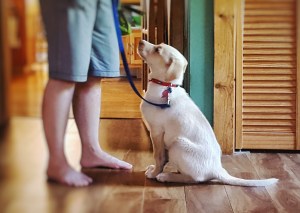
Take your puppy to the veterinarian clinic, even when s/he doesn’t need a checkup. This will keep the vet clinic a positive experience and use to the routine of walking in with other dogs present, getting weighed, being handled and socialized with the staff. Keep it a positive experience, even if after they have an operation, it’s a good idea to balance it out with following positive experiences.
Remember to have fun with your pup! Enjoy the puppy stages, and really take advantage of these learning periods as an excellent opportunity to build a healthy, lasting relationship between you and your best friend to be.
HAPPY TRAINING 🙂
We are happy to provide training services that will last a lifetime! We provide training programs from puppies to adult dogs, no matter what age, history or breed!
Check out our TRAINING PROGRAMS to get started!
Contact us today with any questions by filling out our CONTACT FORM!
 BK9
BK9 